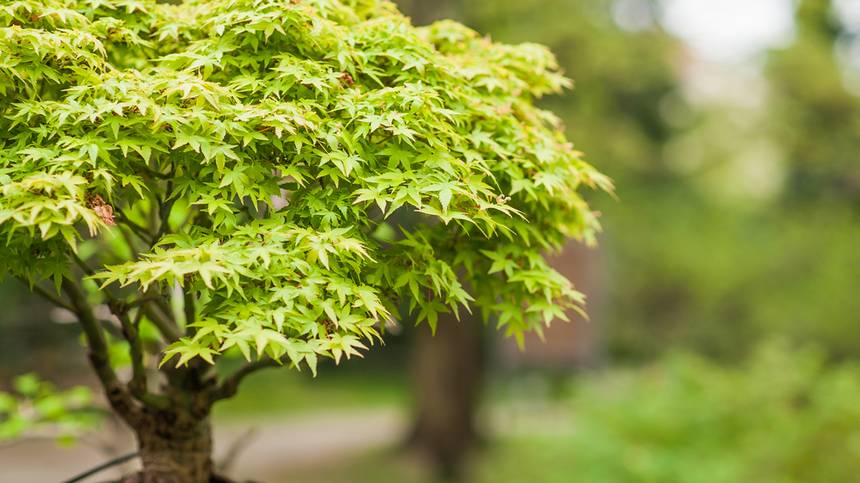
Even small yards and gardens can be home to a variety of trees to provide fruit, shade, wildlife habitat, or all three.Source: 10 great trees for small yards | TreeHugger
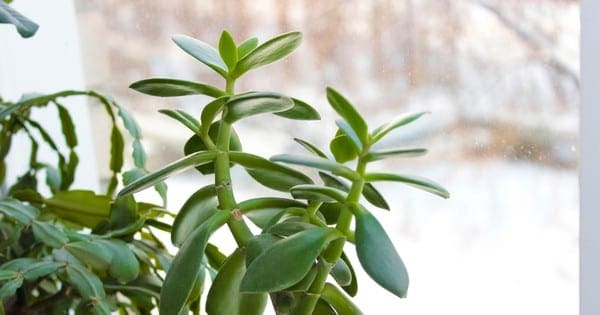
From watering needs to ideal temperatures, here’s what to know to help your indoor plants survive the cooler months.Source: How to get your houseplants through the winter | TreeHugger
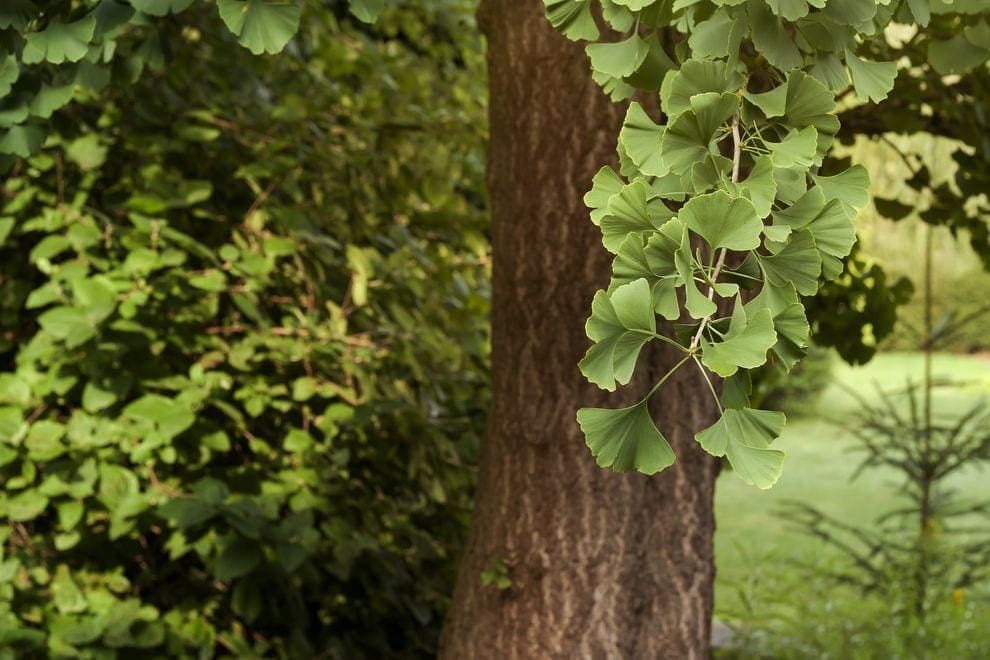
Researchers wanted to know what gives these trees their longevity. They compared dozens of ginkgo trees ranging in age from 15 to 667 years old to see what helped them live so longSource: Gingko biloba trees guard a secret fountain of youth | MNN – Mother Nature...
Harsh winters can cause extensive damage to trees, plants and shrubs, but you can protect the investment you have made in your yard with a few simple tips. Source: Video: How to Protect Trees & Shrubs from Weather Damage | Love Your Landscape
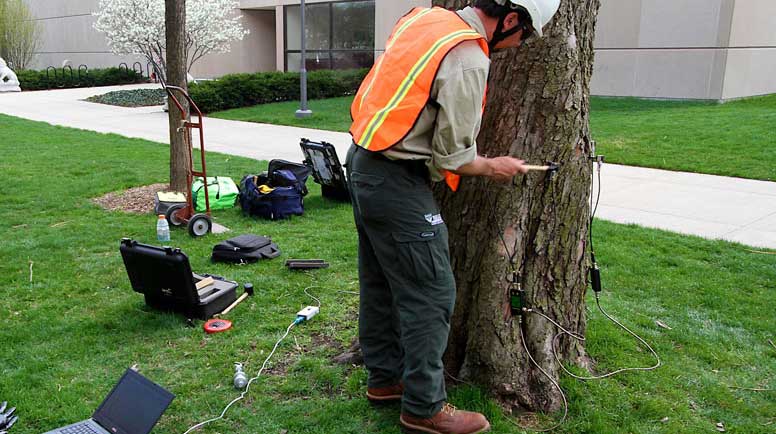
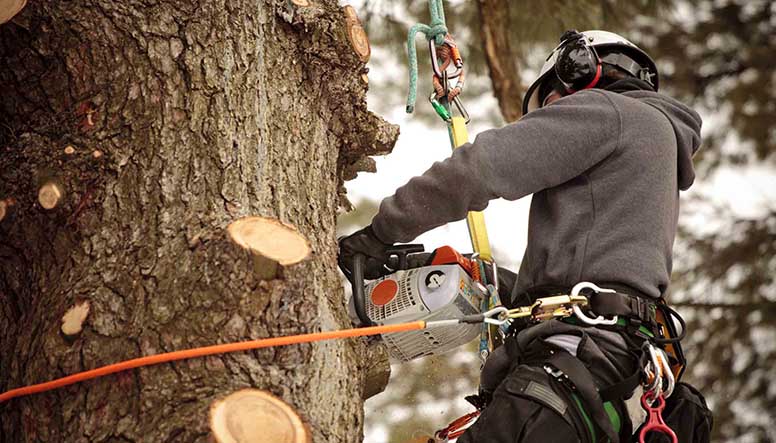
The trees on your property will likely live a long and healthy life. Yet just like humans, they, too, can suffer from stress caused by a variety of sources. Trees are susceptible to two basic kinds of stress: acute and chronic. Here are a few things to consider when...
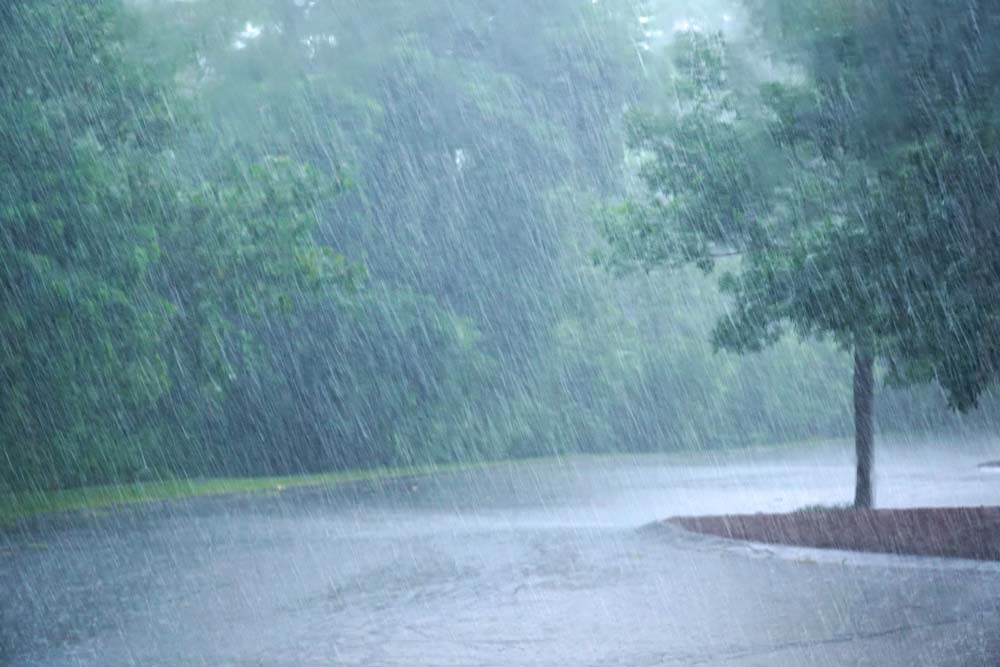
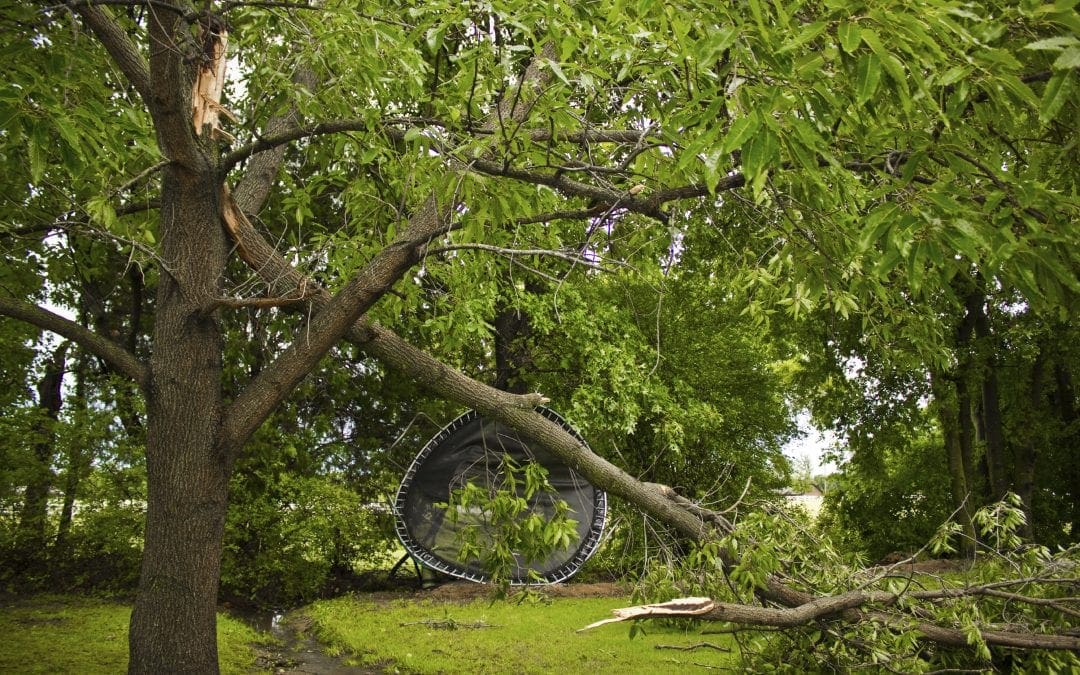
Wind, hail and lightning; storms can be brutal, especially to your landscape plants and trees. That’s because severe weather can stress the entire tree¾from root system to branches to leaves. Learn how to protect your trees.Source: Helping Your Trees Weather the Storm...
To a plant, rain is life-sustaining water. So why has an international team of scientists made the surprising discovery that a plant’s reaction to rain is close to one of panic?It’s not as iSource: Scientists Discover That Plants “Panic” When It...
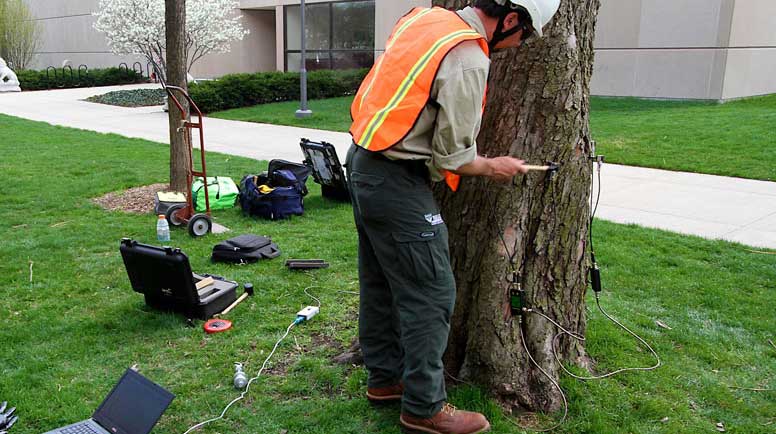
Spring is a great time to check mature trees. Leaf canopies have not completely filled in, and you can see the structure of the tree more clearly. Damage from winter storms will be more apparent. By inspecting trees and addressing potential problems, you can safeguard...
In the aftermath of a major storm, the first impulse is often to clear away as much as possible. But rash decisions can often result in removing trees that could have been saved. Following best practices helps determine whether your trees can survive. Here are six...
When the storm is over and lives are safe, it’s time to take care of your trees. Remember these rules: 1. Don’t panic. 2. Seek professional help. 3. Evaluate each tree individually.Source: Storm Recovery – The Arbor Day Foundation