The story of how the Earth, and human beings, have been shaped more than we know by these forces of natureSource: The Genius of Trees by Harriet Rix review – how trees rule the world | Science and nature books | The Guardian
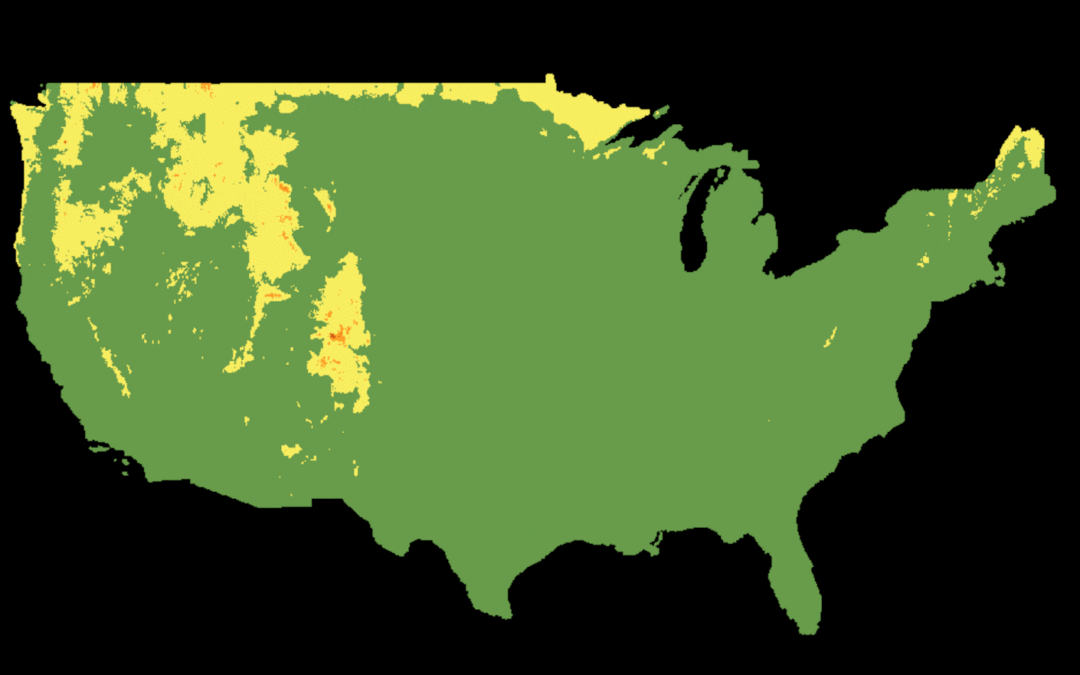
Planting more trees can help cool the planet and reduce fire risk—but where they are planted matters. According to UC Riverside researchers, tropical regions provide the most powerful climate benefits because trees there grow year-round, absorb more carbon dioxide,...
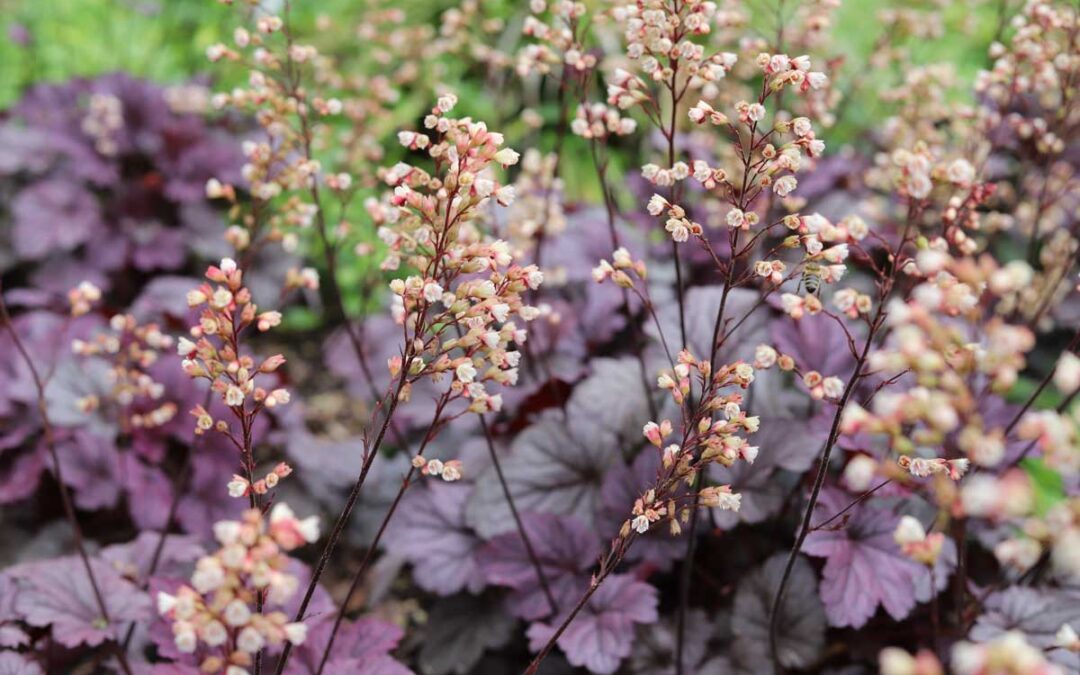
These plants fill bare spots, ward off weeds, and prevent erosion, all while boosting your home’s curb appeal.Source: The 15 Best Low-Maintenance Ground Cover Plants for Your Property | Bob Vila
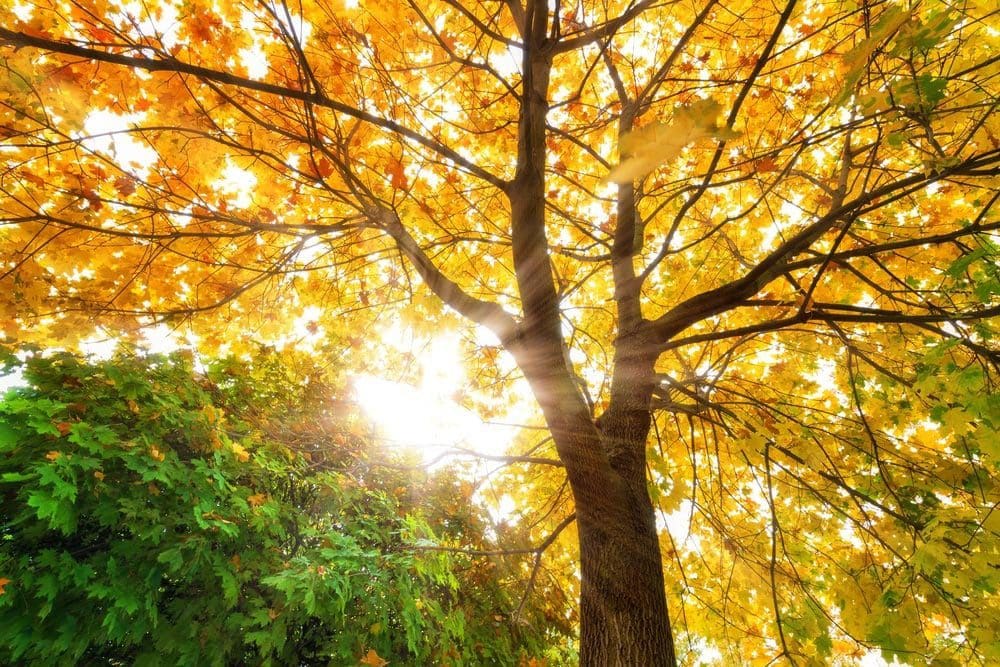
The Old Farmer’s Almanac predicts that conditions are favorable for colorful fall foliage in the Northeast, but most areas in the United States will see “steamy” conditions.Source: The Farmer’s Almanac Unveils Its 2025 Fall Weather Predictions...
England’s coveted Tree of the Year award, on which GNN reports yearly, was won this year by a Scottish ash tree 75 feet-tall.Source: The 2025 ‘Tree of the Year’ Is a Scottish Ash Growing in the Middle of Glasgow | Good News Network
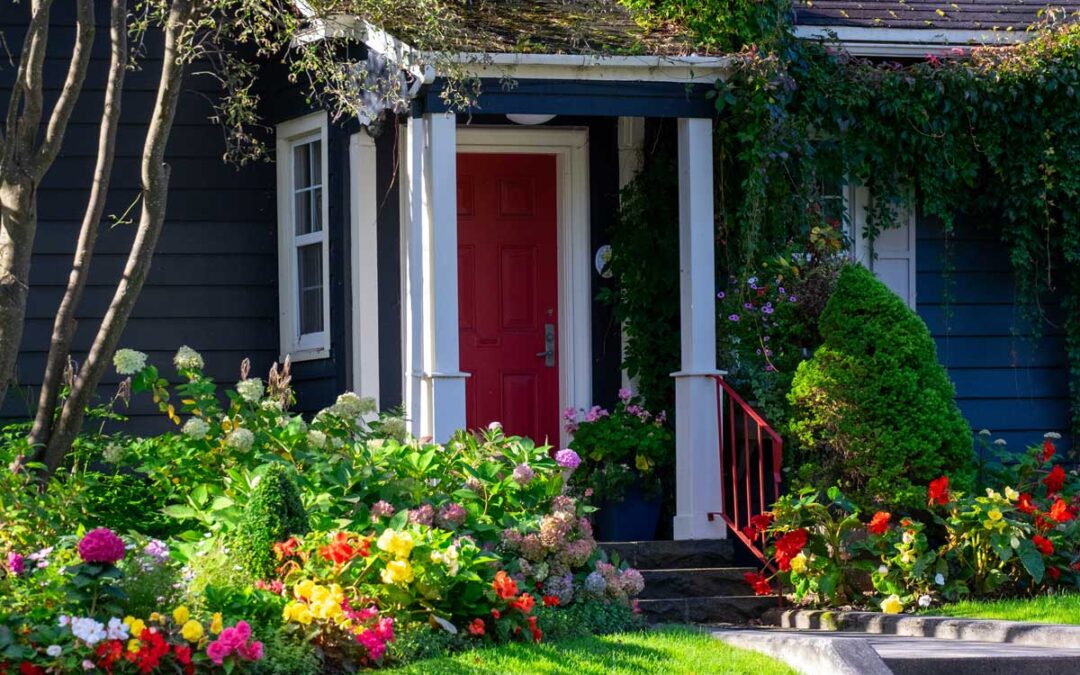
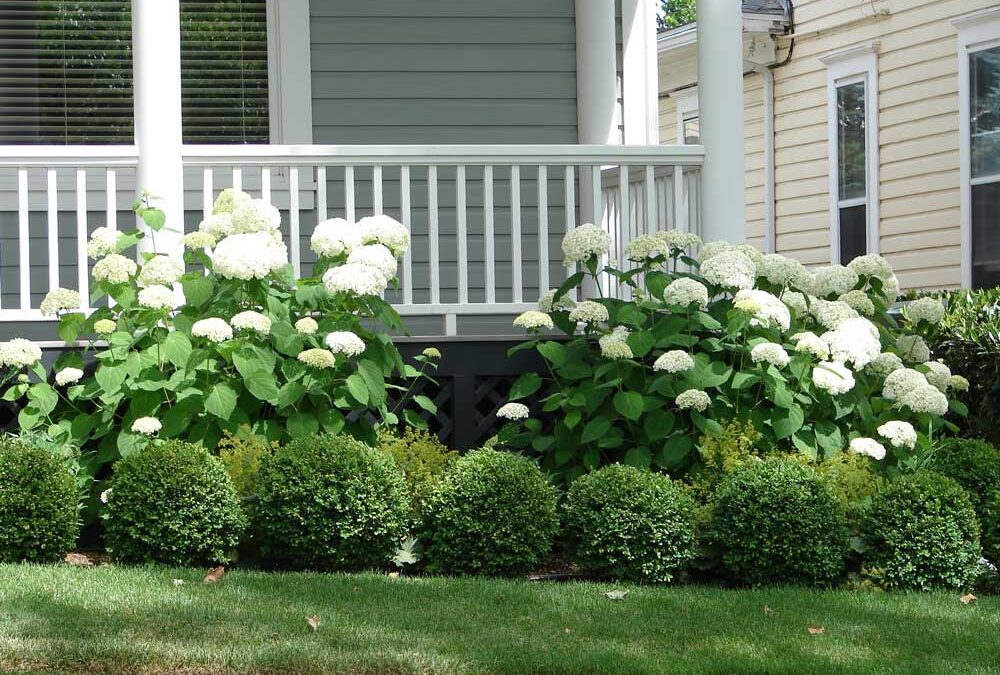
Plant these shrubs in front of your house for curb appeal, privacy, or the simple joy that their foliage and flowers bring to your yard.Source: 18 Best Shrubs for the Front of the House | Bob Vila
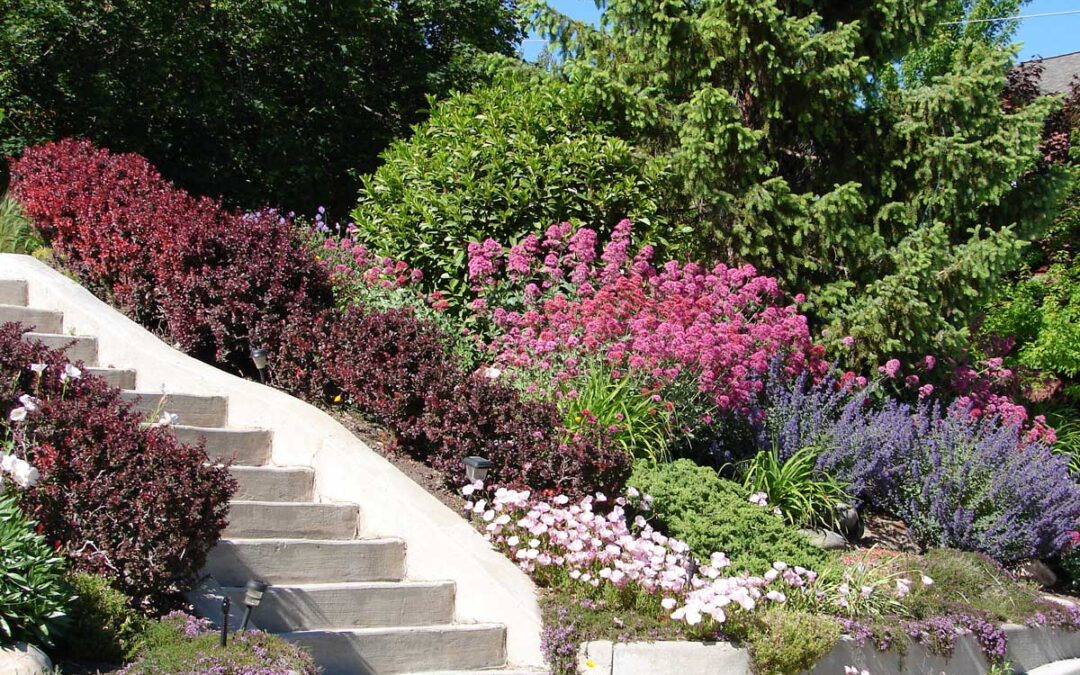
These xeriscape ideas support more than saving water. They offer resilience, plant diversity, colorful landscapes, and support wildlife.Source: 15 Xeriscape Ideas for a Beautiful, Sustainable Yard | Bob Vila
Leaf-peeping season will soon be here, but will the drought dull our region’s vibrant fall colors?Source: New England fall foliage: Forecasts predict peak leaf color | Boston Globe
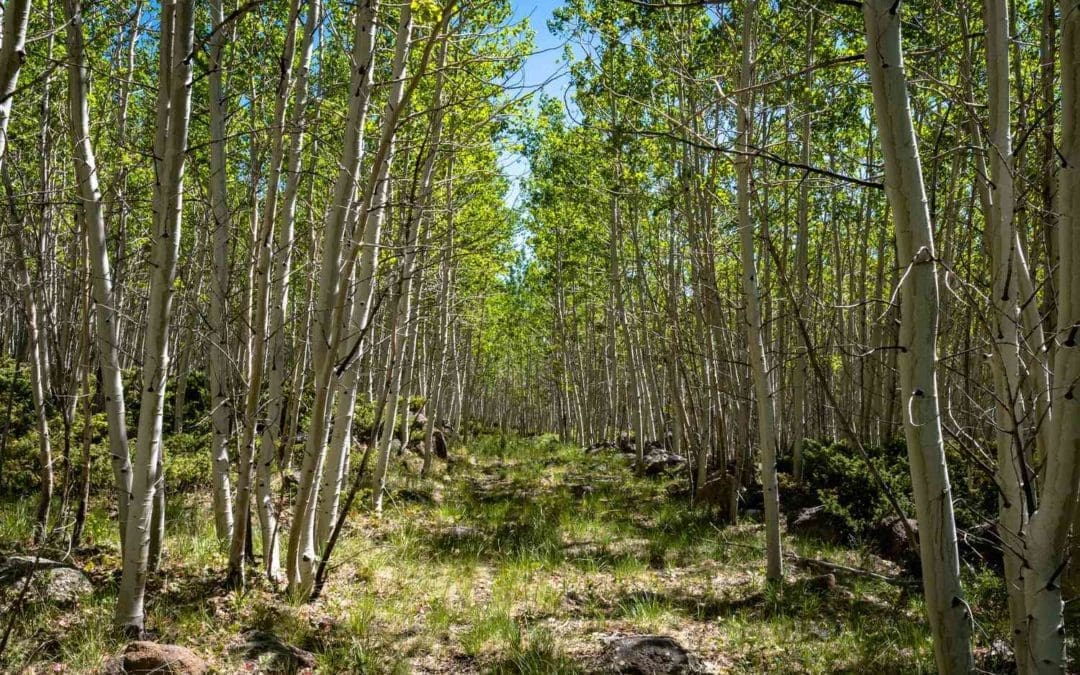
“The reintroduction of large carnivores has initiated a recovery process that had been shut down for decades,” says Painter in a statement.Source: Hefty Aspen Saplings Not Seen in Yellowstone for 80 Years Attributed to Wolves’ Welcome into Park | Good News...
Real estate agents know which plants appeal to homebuyers, so heed this advice when planting your yard for a quick, top-dollar sale.Source: The Best Plants for Curb Appeal, According to Real Estate Pros | Bob Vila